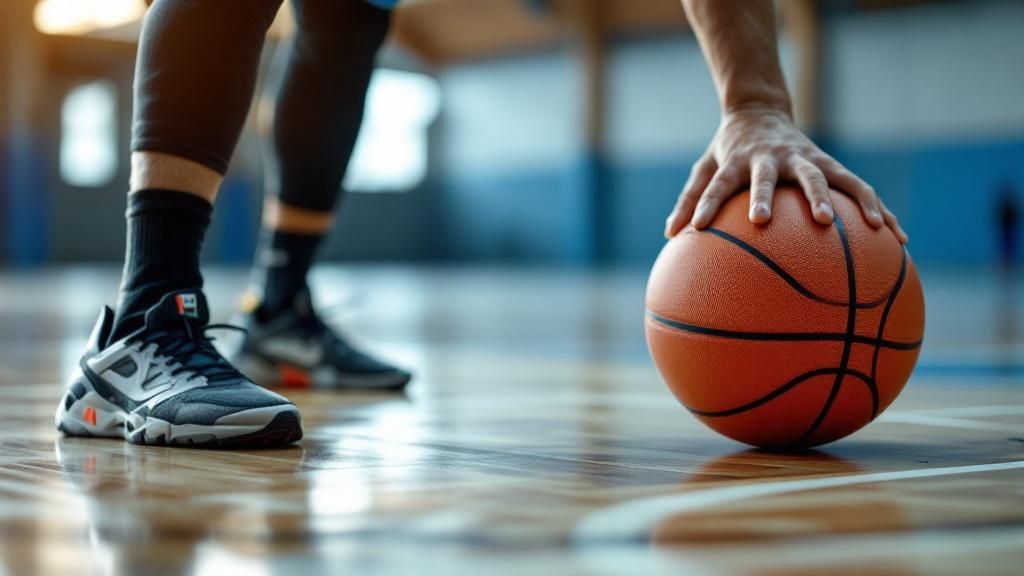

Basketball players deal with unrelenting physical pressures that jeopardise their careers before their time. However, implementing scientifically-backed injury protective measures can substantially prolong an athlete’s time on the court. This article explores the highly successful techniques—from targeted strength training and flexibility work to appropriate recuperation strategies and biomechanical analysis—that help players shield themselves against frequent damage. Discover how elite and recreational athletes alike are leveraging these validated approaches to maximise their playing years and sustain optimal fitness across their playing lives.
Significance of Injury Prevention in The Sport of Basketball
Basketball stands as one of sport’s most physically taxing disciplines, necessitating dynamic athletic actions, rapid directional changes, and continuous cardiovascular demand. The ongoing pattern of training and competition places substantial pressure on players’ joints, muscles, and connective tissues. Without adequate preventative strategies, athletes may sustain acute injuries or chronic conditions that can prematurely terminate successful careers. Implementing proactive strategies allows players to sustain their physical wellbeing whilst continuing to perform at elite levels throughout their playing years.
The monetary consequences of basketball injuries reach past individual athletes to encompass entire franchises and clubs. Teams lose valuable assets when key players sustain career-threatening damage, impacting performance, revenue, and future business strategy. Medical expenses, rehabilitation costs, and lost productivity represent considerable outlays that clubs must absorb. By focusing on injury prevention initiatives, organisations express dedication to athlete welfare whilst safeguarding their competitive interests and fiscal health. This dual benefit makes prevention strategies cost-effective for all stakeholders involved.
Career durability directly relates to an athlete’s ability to avoid serious injuries that impair physical abilities. Players who sustain peak physical conditioning and technical proficiency benefit from longer careers and higher earning capacity. Prevention-focused approaches empower athletes to direct their physical wellbeing rather than treating injury as an inevitable consequence of participation. This forward-thinking approach fundamentally transforms how contemporary basketball athletes manage their career advancement and professional development strategies.
Core Conditioning and Strength Training Approaches
Proper conditioning forms the cornerstone of injury prevention in basketball. Players must develop thorough resistance training programmes that target stabiliser muscles around at-risk joints, especially the ankles, knees, and shoulders. Adding eccentric exercises—where muscles extend whilst under load—is highly valuable for reducing ligament injuries. Gradual strength training, integrated with plyometric work, enhances muscle durability and proprioception. Coaches should implement periodised training cycles that coordinate intensity with adequate recovery, confirming athletes develop durability without overtraining. This structured approach substantially decreases injury risk whilst sustaining competitive performance levels.
Sport-specific fitness routines must replicate the dynamic movements basketball requires. Side-to-side agility training, explosive jumping exercises, and varied-direction running drills equip the body for match situations. Core stability work deserves particular emphasis, as a robust core boosts balance, reduces compensatory movements, and protects against lower back injuries. Functional training that reproduces game scenarios—such as abrupt braking and directional shift exercises—improves neuromuscular coordination. Embedding these methods into routine training programmes allows athletes to build physical resilience progressively, facilitating longer, healthier careers whilst maintaining the dynamic power essential for basketball excellence.
Recovery Strategies and Optimal Practices
Effective recovery is critical to injury prevention and career longevity in basketball. Professional athletes acknowledge that the time spent recovering is equally important as training itself. Implementing structured recovery protocols—including proper sleep, nutritional intake, and deliberate rest periods—allows the body to restore tissue integrity and strengthen tissues. Players who prioritise recovery experience better performance outcomes, reduced injury rates, and enhanced mental resilience. By treating recovery as a critical component of their training regimen rather than a passive activity, basketball players can sustain their competitive advantage whilst lowering injury likelihood throughout their careers.
- Ice baths decrease inflammatory response and enhance recovery effectively.
- Foam rolling enhances range of motion and reduces muscle stiffness on a regular basis.
- Adequate sleep promotes tissue healing and mental performance.
- Massage therapy enhances circulation and alleviates muscle discomfort.
- Proper nutrition restores energy levels and supports healing.
Integrating these recuperation techniques into a comprehensive injury prevention strategy requires commitment and consistency from athletes and coaching staff alike. Modern basketball programmes increasingly engage sports scientists and physiotherapists who create individualised recovery plans suited to each player’s particular requirements and prior injuries. By tracking recovery markers such as pulse variation and sleep metrics, teams can enhance training loads and avoid excessive training. This information-led strategy to recovery demonstrates that prolonging athletic longevity depends not solely on avoiding damage, but on maximising the body’s ability to recover and adjust.
